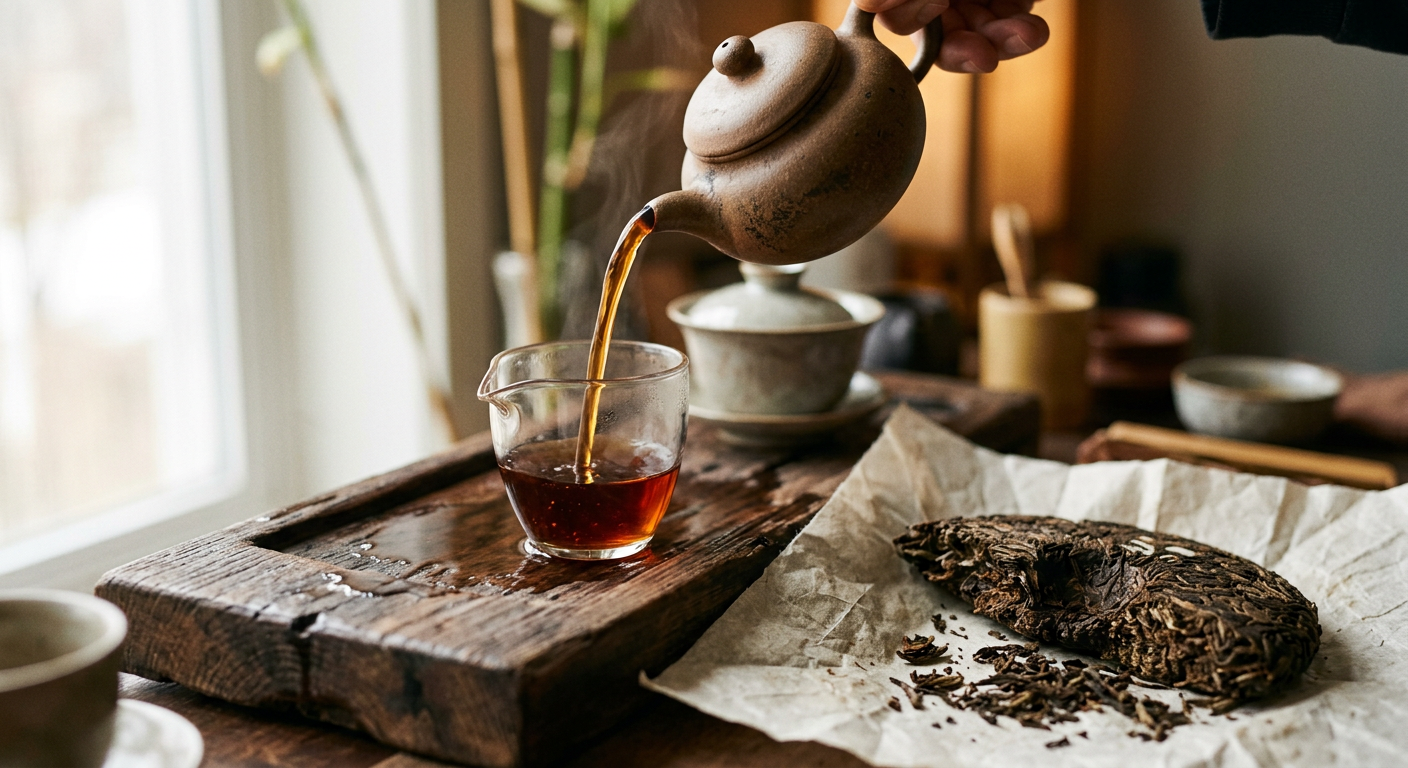
What Pu-erh is and why it has two faces
Pu-erh is the dark, weighty tea of Yunnan, in China's far southwest. Made from the broad leaves of Camellia sinensis var. assamica, it belongs to the dark tea family because it continues to change after the leaves are dried and shaped. That ongoing transformation — called post-fermentation — is what gives Pu-erh its depth, its ability to age, and its reputation as a tea you can return to across decades[source:4].
The name comes from Pu'er Prefecture, the Qing-dynasty administrative center through which Yunnan teas traveled north to Tibet and east to the imperial court[source:4]. By the Qing dynasty, Pu-erh had become a tribute tea, and the court established official tea bureaus to manage it[source:1]. Today the tea is still produced mainly in Ning'er and Menghai counties, where the craft has been passed down as intangible cultural heritage[source:1][source:3].
If you are new to Pu-erh, the first thing to know is that it is not one tea but two: raw (sheng) and ripe (shou). They share the same origin, but their paths diverge in the workshop, and that divergence changes everything about how you brew them.
Raw versus ripe: know your leaf
Raw Pu-erh is the older form. Fresh leaves are picked, withered, heated in a wok to stop oxidation (shaqing), rolled, and then dried in the sun. The resulting maocha, or sun-dried green tea, is steamed and pressed into cakes, bricks, tuos, or other shapes[source:1][source:4]. A young raw Pu-erh is lively, astringent, and floral; with years of careful storage it softens into something honeyed, woody, and complex.
Ripe Pu-erh was developed in the 1970s to imitate the smoothness of long-aged raw tea. After the same initial processing, the maocha is piled in a warm, humid room and sprayed with water. Beneficial microbes break down proteins into amino acids, oxidize chlorophyll, and create the reddish-brown pigments that give ripe Pu-erh its dark color and mellow sweetness. This wo dui, or wet-piling, step takes about two months, after which the tea is pressed and dried[source:4].
In short: raw Pu-erh ages slowly in your storage; ripe Pu-erh has already been guided through its transformation by the tea maker. Raw can be brisk and challenging when young; ripe is usually gentle, earthy, and ready to drink soon after production[source:4].
Choosing water and heating it right
The old tea saying is true: water is the mother of tea. Lu Yu, author of the Classic of Tea, ranked water as mountain spring first, river water second, and well water third[source:2]. For Pu-erh, look for water that is soft, clear, and lively — low in minerals and free of chlorine or strong odors. Filtered tap water will do if that is what you have, but a good spring water lets the tea speak more clearly.
Temperature is just as important. Pu-erh is a robust leaf, and both raw and ripe benefit from heat:
- Raw Pu-erh: 90–95 °C is a safe starting point for young sheng. If the tea is very bitter, you can drop to 85–90 °C for the first steep; as the session goes on and the leaves open, return to a full boil[source:2].
- Ripe Pu-erh: use water right off a rolling boil, 95–100 °C. The heat helps the compressed, fermented leaves release their color, body, and sweetness[source:2].
Bring the kettle to a full boil, then let it rest briefly for raw if needed. Re-boil between steeps so the water stays energetic.
Teaware that serves Pu-erh best
You do not need much to brew good Pu-erh. A small vessel is the key: it concentrates flavor and lets you serve many short infusions.
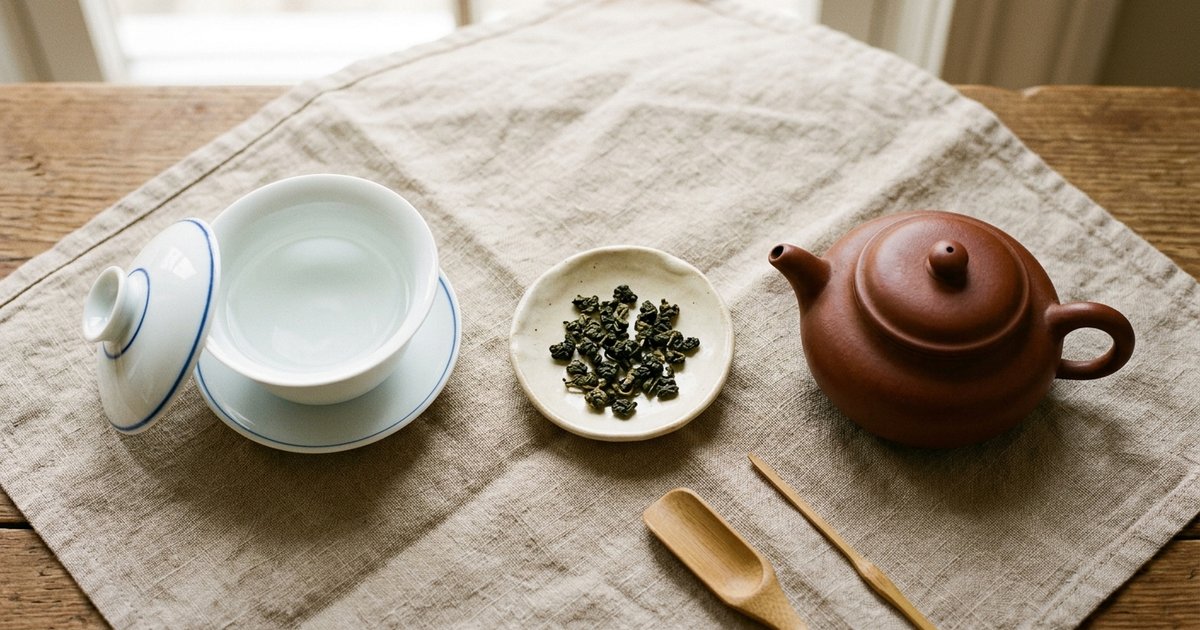
- Gaiwan: a 100–150 ml porcelain gaiwan is the most versatile choice. It shows color clearly, conducts heat evenly, and is easy to clean between teas.
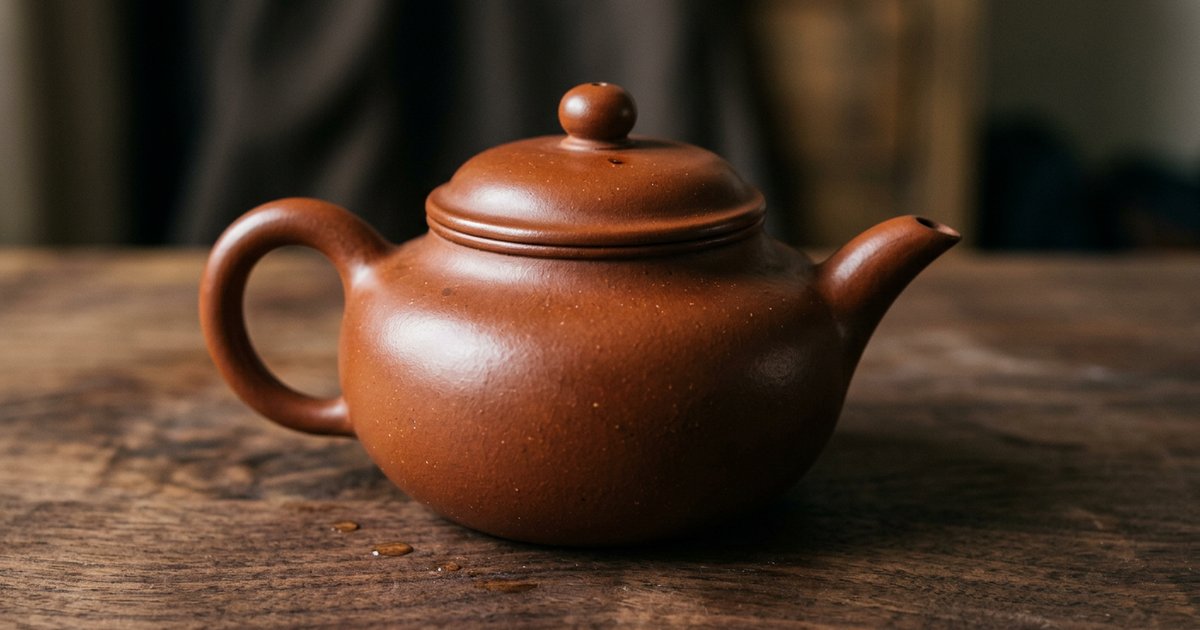
- Yixing teapot: a small unglazed clay pot, seasoned only for Pu-erh, will absorb the tea's oils over time and add roundness to later sessions. This is the classic companion for darker, aged teas.
- Fair cup and small cups: pour from the gaiwan or pot into a gongdao bei (fair cup) so each guest receives the same strength, then serve in small tasting cups.
- Tea pick or knife: for breaking cakes and bricks without pulverizing the leaves.
- Strainer: optional, but helpful if your cake crumbles into dust.
For Gongfu-style brewing, use about 1 g of leaf for every 15–20 ml of water. A 120 ml gaiwan therefore takes roughly 6–8 g of leaf. Ripe Pu-erh can tolerate a slightly higher ratio; young raw can use slightly less if it is potent.
How to brew raw Pu-erh
- Warm the vessel. Rinse the gaiwan or pot with hot water, then add the leaves. Cover and shake gently for a few seconds to release the dry aroma.
- Rinse once. Pour boiling water over the leaves, cover, and drain immediately. This wakes the compressed leaf and removes any surface dust.
- First steep: 10–15 seconds at 90–95 °C. Pour in a smooth circle so the water moves through the leaves evenly.
- Second and third steeps: 10–15 seconds each. These often carry the brightest aromatics.
- Fourth steep onward: add 5–10 seconds each time, or simply steep to taste. A good raw Pu-erh will give eight to fifteen infusions, sometimes more.
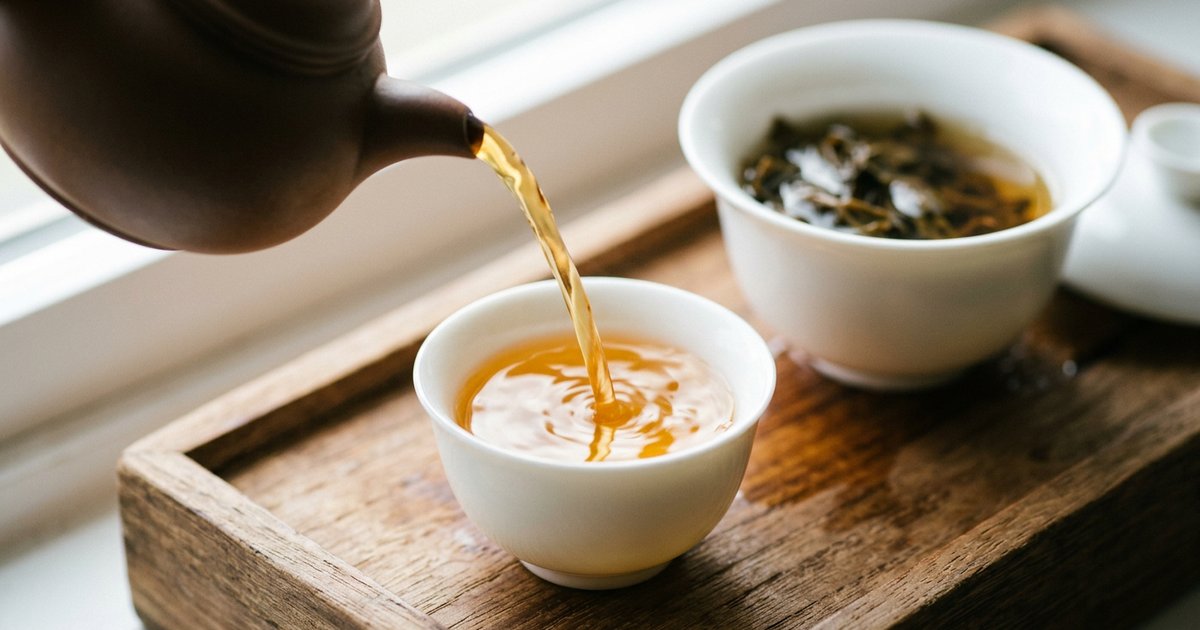
Watch the liquor: young sheng starts pale gold and gradually deepens. If the tea becomes too astringent, lower the temperature slightly or shorten the steep. If it feels thin, give it more time or more leaf.
How to brew ripe Pu-erh
- Warm and load. Use a slightly generous amount of leaf — ripe Pu-erh loses weight during fermentation, and the leaves are darker and denser.
- Rinse twice. The first quick rinse may carry a dusty or stacked aroma from storage; the second rinse helps the leaves open. Some drinkers discard both; others drink the second. Trust your nose.
- First steep: 10 seconds at a full rolling boil.
- Second to fourth steeps: 10–15 seconds. Ripe Pu-erh releases color quickly; these steeps are usually the sweetest and most velvety.
- Later steeps: extend to 20–40 seconds, or even a minute, as the body thins. Ripe tea can also handle many infusions, though the later ones will be softer and more woody.
The liquor should be deep amber to chestnut, with a clean, earthy or sweet grain aroma. If you detect a sour or musty note that does not clear after the second steep, the tea may have been stored poorly.
Breaking and rinsing compressed Pu-erh
Most Pu-erh arrives as a cake, brick, or tuo. Breaking it well is part of the ritual.
Hold the cake over a clean sheet of paper or a tea tray. Insert the edge of a Pu-erh knife or pick into the gap near the center, then lever gently outward. Work in layers rather than stabbing straight down; you want whole leaves and small flakes, not powder. Save the dust at the bottom for the rinse or discard it.
Once the leaves are in your vessel, the rinse is essential. Compressed tea has been pressed, stored, and handled; a quick wash opens the leaves and clears away any surface residue. For very tight compression, you may need two rinses before the leaves begin to relax and release their true flavor.
Reading the infusions
One of the pleasures of Gongfu brewing is watching the tea change from cup to cup.
In a young raw Pu-erh, the first steeps are often greenish-gold, bright, and aromatic, with notes of flowers, hay, or stone fruit. As the session progresses, bitterness and astringency may appear, then fade into sweetness — what Chinese drinkers call huigan, or returning sweetness. Older raw teas skip the sharp edges and move straight into honey, dried fruit, and camphor.
Ripe Pu-erh usually opens with dark color and a mellow, earthy body. Look for clean flavors: dark chocolate, red dates, dried jujube, lotus leaf, or sweet grain. A good ripe tea feels thick on the tongue and leaves a warm, sweet aftertaste. If the flavor collapses after only a few steeps, the tea may be made from low-grade leaves or over-fermented.
Storing Pu-erh at home
Pu-erh is alive. Even after it leaves Yunnan, the microbes inside the leaves keep working, slowly smoothing the tannins and deepening the aroma. How you store it determines whether it ages into something beautiful or something flat.
Keep Pu-erh in a clean, ventilated space away from direct sunlight, strong odors, and excess moisture. A cupboard or drawer dedicated to tea works well. Raw Pu-erh needs some airflow to mature; do not seal it in an airtight jar unless you want to pause its aging. Ripe Pu-erh is more stable, but it too should be kept away from kitchen spices, perfumes, and damp basements[source:4].
If you live in a very dry climate, a small humidity tray can help. If you live somewhere humid, watch for mold and give the tea more airflow. Aim for relative humidity around 60–70 % and stable temperatures.
A cup worth waiting for
Pu-erh asks for a little patience, but it gives back generously. Whether you prefer the bright, evolving energy of raw sheng or the dark, grounding comfort of ripe shou, the method is the same: good water, a small vessel, a quick rinse, and short, attentive steeps.
Brew it slowly. Taste the changes from infusion to infusion. Over time you will learn not just the tea, but your own preference — and that, more than any rule, is the heart of Gongfu Cha.
Sources and Further Reading
- Pu-erh Tea Making Techniques (Tribute Tea Making Techniques) — China Intangible Cultural Heritage Network
- Knowing Solar Terms, Knowing Tea Affairs, Harmonizing the World — Rain Water — China Intangible Cultural Heritage Network
- Successful Inscription of 'Traditional Chinese Tea-making Techniques and Related Customs' — China Intangible Cultural Heritage Network
- Pu-erh Tea — Chinese Wikipedia
- Chinese Tea — A Thousand-Year River of Culture — China Intangible Cultural Heritage Network