Where there is tide
There is a saying in the Chaoshan region: "Where there is tide, there are Teochew people; where there are Teochew people, there is Gongfu Cha." It is no exaggeration. In Chaozhou, Shantou, and Jieyang — whether in a street-side shop, an office building, or the living room of an overseas Teochew family — you can almost always find a Gongfu tea set.
Chaozhou Gongfu Cha is not a particular tea; it is a way of brewing tea. It began in the Song dynasty, was widespread by the mid-Qing dynasty, and traveled with Teochew migrants to Southeast Asia[source:1]. In 2008 it was inscribed on the second national list of intangible cultural heritage; in 2022, as an important part of "Traditional tea processing techniques and associated social practices in China," it was added to UNESCO's Representative List of the Intangible Cultural Heritage of Humanity[source:2][source:3].
Song dynasty roots
The roots of Chaozhou Gongfu Cha reach back to the Song dynasty, a high point of Chinese tea culture.
The Song was a crucial period when Chinese tea culture shifted from "eating tea" to "tasting tea." Whipped tea (diancha) was in vogue, scholars gathered over tea, and tea became an important medium for social and spiritual life. Chaozhou sits in eastern Guangdong, close to Fujian, and tea-drinking customs from southern Fujian spread here early[source:4].
During the Northern Song, Su Shi was close friends with Wu Fugu, one of the "Eight Sages of Chaozhou." Wu once sent Fujian famous tea to Su Shi, who replied praising it as "all excellent." This detail shows that Chaozhou scholars were already participating in high-level tea culture exchange[source:4].
Still, Song-dynasty tea drinking in Chaozhou was very different from the Gongfu Cha we see today. It was the Qing dynasty that truly shaped and popularized it.
Qing dynasty spread
By the mid-Qing dynasty, Chaozhou Gongfu Cha was already flourishing. Yu Jiao, in his Dream Studio Miscellany: Records of Chaozhou and Jiaying, left an early record of tea customs in the Chaozhou area, an important document for studying the early form of Gongfu Cha[source:4].
Qing-dynasty Chaozhou commerce thrived, and Chaozhou people migrated in large numbers to Southeast Asia. Gongfu Cha spread with merchants and migrants, becoming part of Teochew identity. In Chaozhou itself, Gongfu Cha moved from teahouses and scholarly gatherings into ordinary homes. Almost every household owned a tea set and drank several rounds a day; it became part of local life[source:4].
What gongfu means
Many people write "Gongfu Cha" as 功夫茶, thinking it means martial-arts kung fu. In Teochew dialect, however, gongfu (工夫) means doing things carefully, properly, and with attention to detail[source:1].
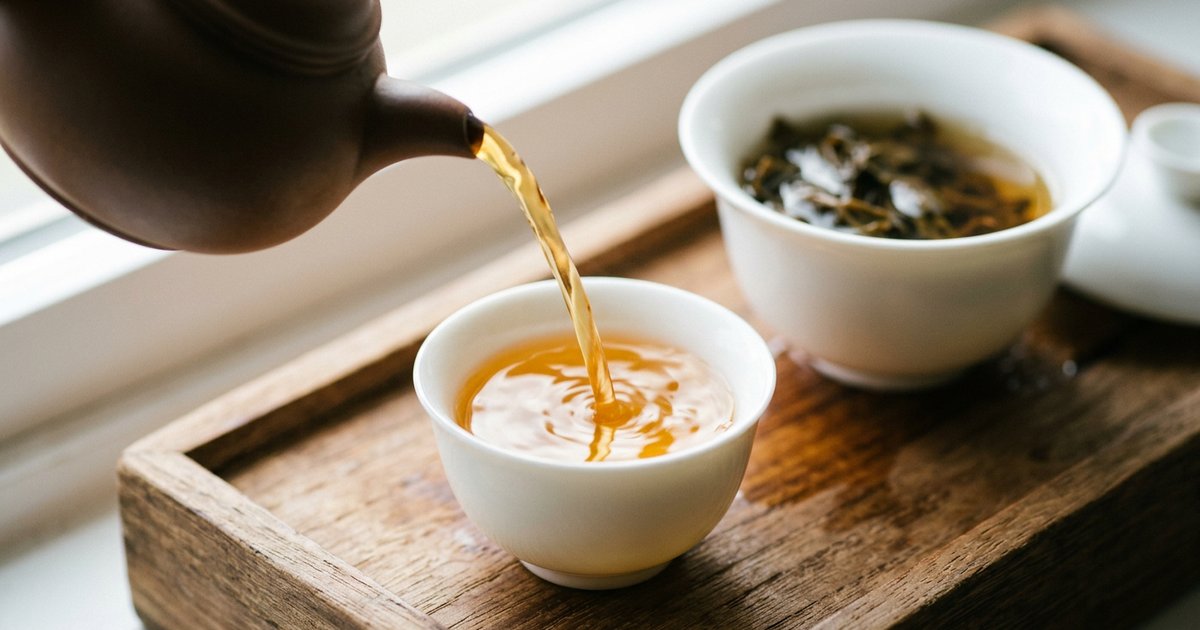
When Teochew people praise someone for "doing things with gongfu," they mean the person works attentively, tastefully, and without carelessness. Applied to tea, this attitude is Gongfu Cha: from choosing the tea, heating the water, warming the vessels, measuring the leaf, brewing, and serving, every step has its proper care.
So the core of Gongfu Cha is not showing off skill. It is a life attitude: even ordinary things deserve to be taken seriously.
Twenty-one steps
The Chaozhou Gongfu Cha brewing sequence is called the "Twenty-One Steps," including displaying the tea ware, the host washing hands, lighting the clay stove, drawing water with the sand kettle, boiling water over olive charcoal, heating the pot, warming the cups, pouring the leaf onto plain paper, pot receives the oolong, rinsing the leaves with sweet spring water, high pour from the kettle, scraping foam with the lid, pouring hot water over the lid, scalding and rolling the cups, low pour of the liquor, Guan Gong patrols the city, Han Xin counts the soldiers, please taste, smell the tea fragrance first, sip gently in harmony, smell the cup bottom three times, and auspicious completeness[source:1].
These names contain many subtleties:
- Guan Gong patrols the city: The liquor is poured in turn into each cup so every cup has the same strength — fairness.
- Han Xin counts the soldiers: The last few drops from the pot are dotted into the cups — nothing wasted, and the share is equal.
- Smell the cup bottom three times: Smelling the bottom of the empty cup after drinking is a key step for judging leaf quality.
Besides its complexity, Chaozhou Gongfu Cha has another notable feature: it takes oolong tea as its main tea[source:1]. High-aroma oolongs such as Phoenix Dancong, Tieguanyin, and Da Hong Pao best show the advantage of brewing in a small pot with small cups.
UNESCO heritage
In 2008, "Tea Art (Chaozhou Gongfu Tea Art)" was inscribed on the second national list of representative intangible cultural heritage projects, marking national recognition and protection[source:1].
On November 29, 2022, at the 17th session of the UNESCO Intergovernmental Committee for the Safeguarding of the Intangible Cultural Heritage in Rabat, Morocco, China's nomination "Traditional tea processing techniques and associated social practices in China" was approved and added to the Representative List of the Intangible Cultural Heritage of Humanity[source:2].
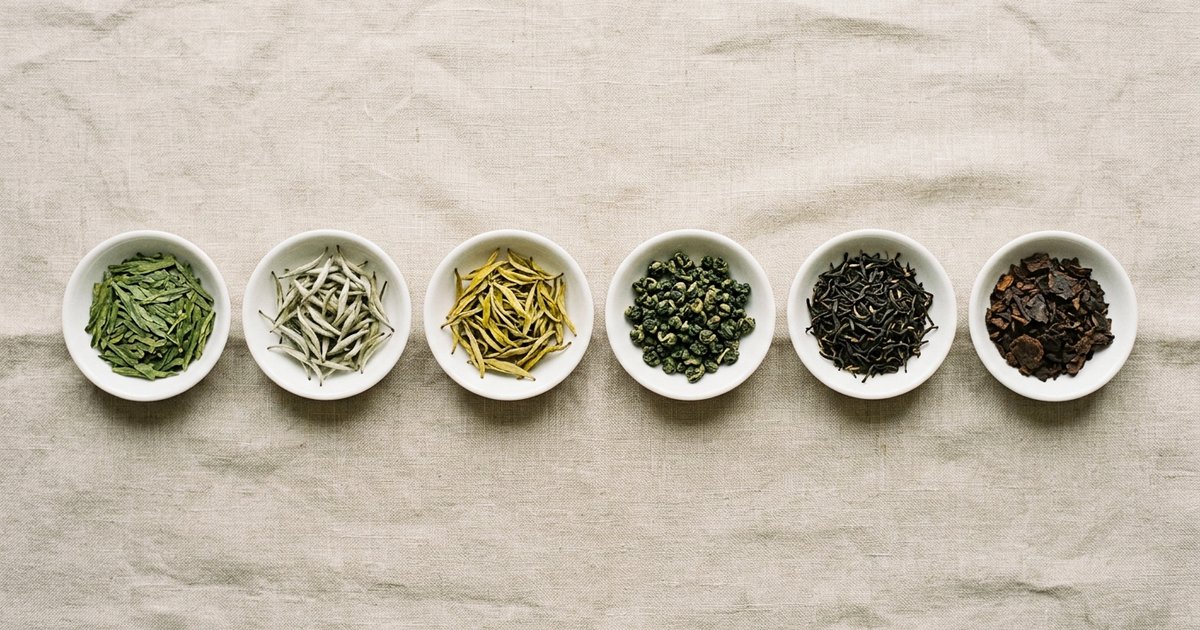
This heritage project covers the processing techniques of green, yellow, dark, white, oolong, and red tea, as well as related social customs. Chaozhou Gongfu Tea Art, as an important component, moved from being a daily way of life for Teochew people to being recognized as a world cultural heritage[source:3].
A way of life
For people in Chaozhou, Gongfu Cha has never been just a drink to quench thirst. It is the etiquette of receiving guests, the medium of neighborhood interaction, the background sound of family reunions, and the taste of home that Teochew people take with them wherever they go.
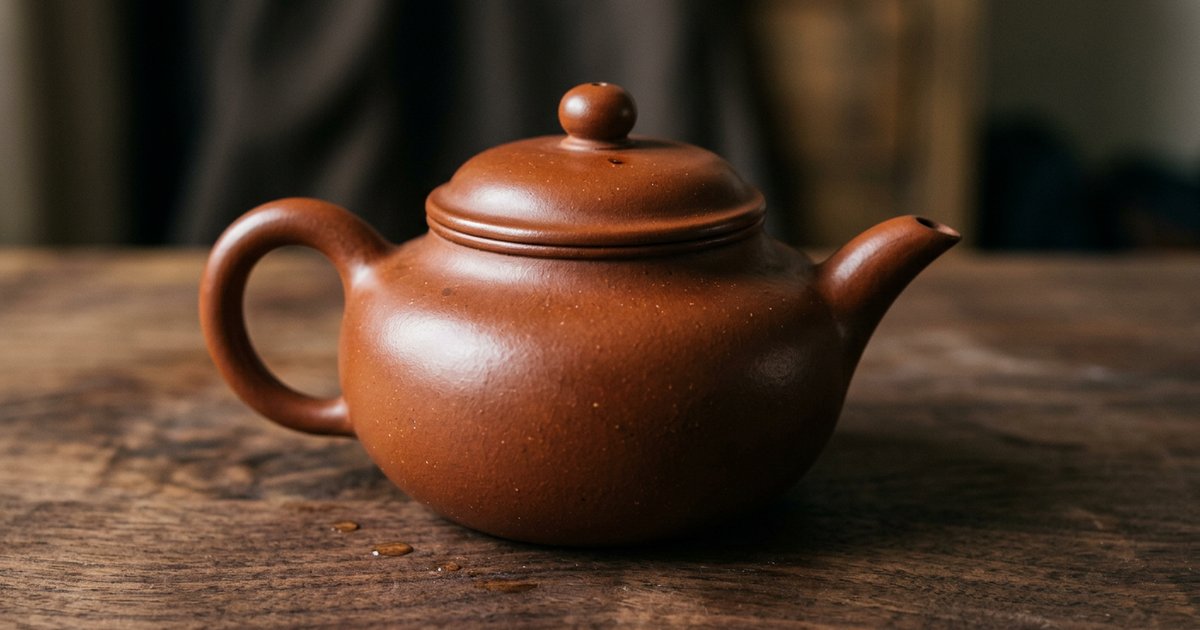
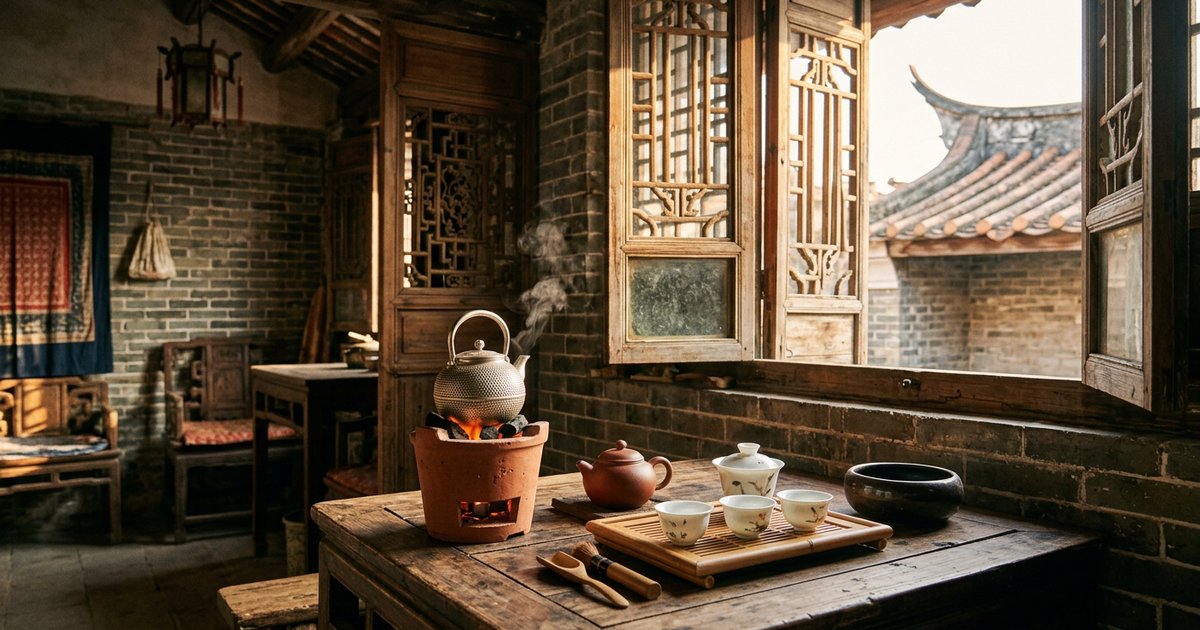
A small pot, small cups, a charcoal stove, and a few wisps of tea fragrance form a unique rhythm of life. In an age that keeps accelerating, Chaozhou Gongfu Cha reminds us: some good things are worth brewing slowly.
Sources and Further Reading
- Tea Art (Chaozhou Gongfu Tea Art) — 中国非物质文化遗产网 (China Intangible Cultural Heritage Network)
- Tea Tasting and Culture | National ICH Projects Related to "Traditional Chinese Tea-making Techniques and Related Customs" (Part 2) — 中国非物质文化遗产网 (China Intangible Cultural Heritage Network)
- Traditional Tea Processing Techniques and Associated Social Practices in China — UNESCO
- Gongfu Tea — Wikipedia