Why a new Yixing pot needs seasoning
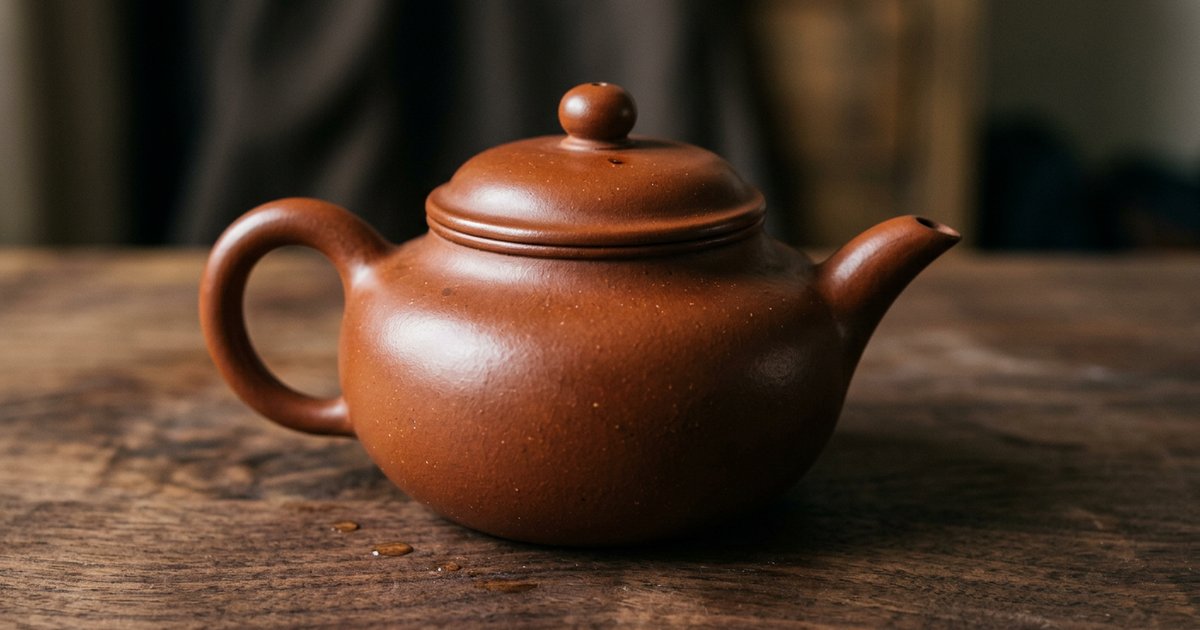
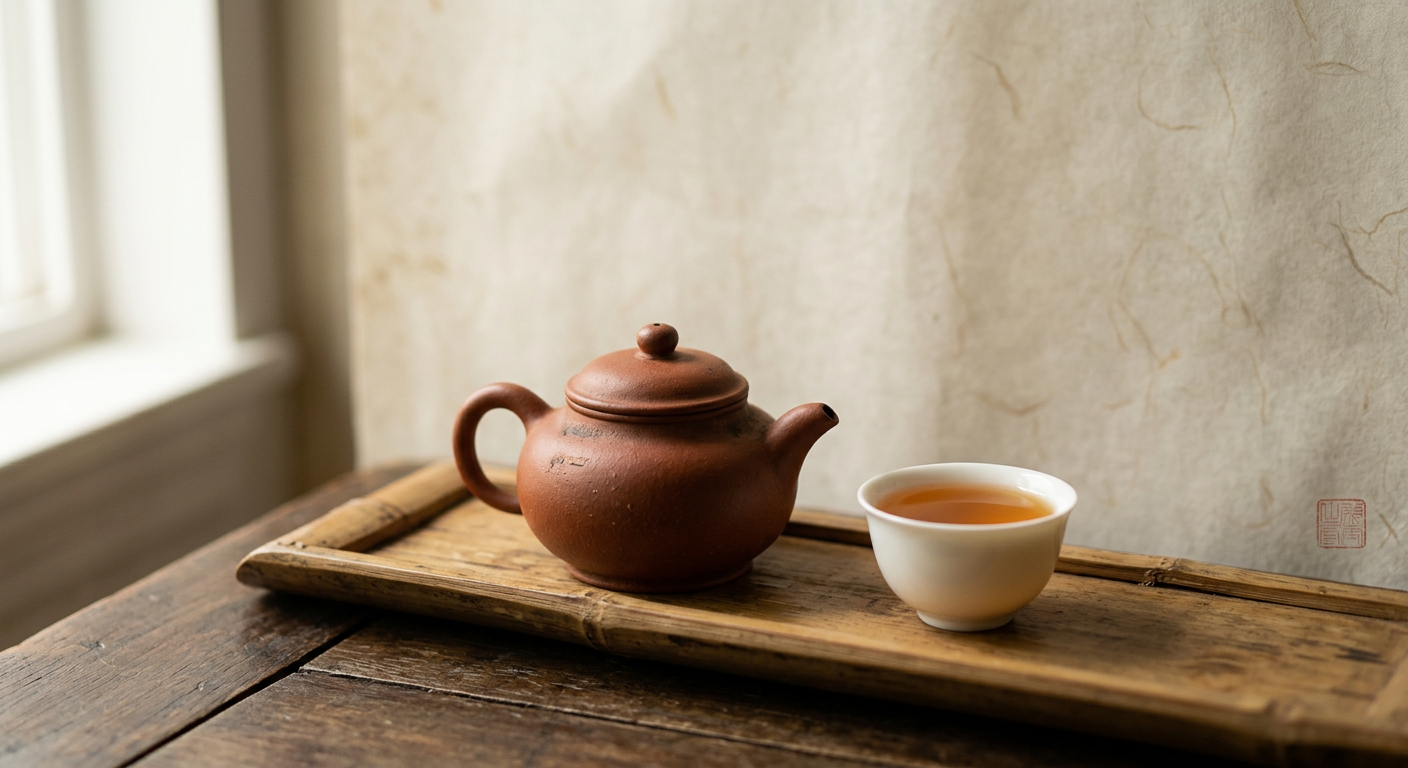
Open the box and lift out a new Yixing teapot. The clay is matte, slightly dusty, and still carries the faint mineral breath of the kiln. It is beautiful, but it is not yet ready. Before it can brew tea at its best, the pot needs to be seasoned.
Seasoning an Yixing teapot is the process of preparing the clay for repeated brewing. The goal is modest: remove any residual kiln heat and surface dust, begin the absorption of tea oils into the walls, and start the slow build-up of what Chinese tea drinkers call "tea patina" (茶山). A seasoned pot does not transform water into magic; it simply holds heat better, breathes more freely, and carries the memory of the tea you have chosen to feed it.
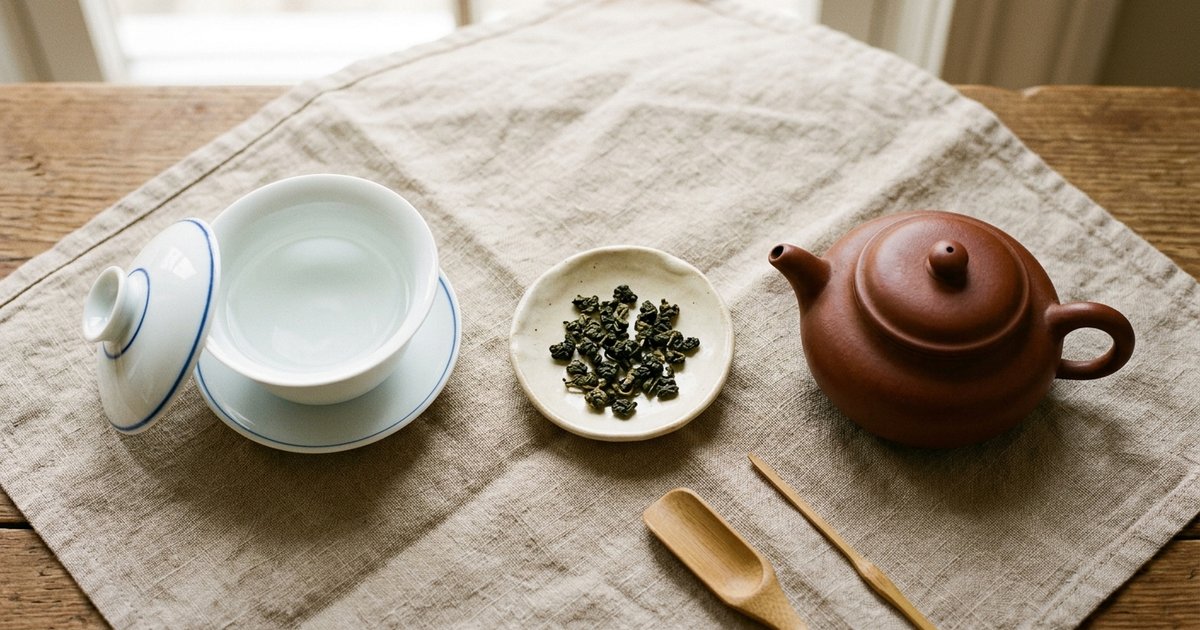
If you have only brewed in porcelain or glass before, the difference is easy to notice. A gaiwan is clean and neutral; it shows the tea exactly as the leaf presents itself. An Yixing pot, by contrast, is a partner. It adds a slight softness, a little more body, and a longer, rounder finish. That character develops only with use, which is why seasoning matters from the very first session.
Yixing clay, also called zisha or "purple sand" clay, comes from the area around Yixing in Jiangsu province. The craft originated in the Song and Yuan dynasties, matured in the Ming dynasty, and has a history of more than 600 years[source:3]. The classic teapot form took shape during the Ming dynasty under the Zhengde Emperor[source:1]. For centuries, the reason people returned to Yixing pots was practical: the clay genuinely makes tea taste better.
What happens inside the clay
The improvement is not superstition. Zisha clay has a special granular structure and a dual-pore structure: tiny pores inside the clay particles and larger pore clusters between them[source:1][source:3]. This gives the fired pot two useful qualities. First, it retains heat well, which is exactly what oolong and pu-erh need. Second, it is breathable without being leaky, so the liquor can interact with the clay without turning stale.
Most importantly for seasoning, the pores absorb trace amounts of brewed tea flavors, minerals, and aromatic compounds with each infusion[source:1]. Over weeks and months these traces accumulate into a thin interior coating. That coating is the patina, and it gently flavors future brewings of the same tea. This is why experienced drinkers keep one pot for one tea family, and why mixing teas in the same pot creates a muddled, confused flavor.
You can sometimes detect the patina before you even add leaves. Pour hot water into a well-used pot, cover it, and wait ten seconds. When you lift the lid, the empty steam may carry a faint ghost of the tea it usually brews. That fragrance is the pot's memory at work.
The same absorption also explains why soap is a bad idea. Detergent settles into those pores and is nearly impossible to rinse out completely. A seasoned pot is washed with nothing hotter than water.
Heat retention is the other half of the story. Zisha conducts heat slowly, so once the pot is warmed it stays warm. This steadiness is ideal for oolong and pu-erh, which need high temperatures to release their full aromatic range. A cold pot shocks the leaves; a warm pot welcomes them.
A simple seasoning method
There are many folk methods for seasoning an Yixing pot. You may read about boiling the pot with tofu, sugarcane, or old tea leaves. These rituals are dramatic, but they have no clear benefit and can introduce off-flavors. The simplest approach is also the safest.
-
Rinse the outside. Hold the pot under warm tap water and gently wipe away any dust or packing residue with a clean, soft cloth.
-
Rinse the inside. Fill the pot with freshly boiled water, swirl it for a few seconds, and pour it out. Repeat two or three times. This removes loose clay dust and begins to warm the body.
-
Choose your tea. Decide which tea family this pot will serve. For a beginner, a roasted oolong such as Da Hong Pao or Tieguanyin is a forgiving choice. Pu-erh, both raw and ripe, also seasons a pot quickly because of its rich liquor. If you are unsure, review the idea behind one pot, one tea before committing.
-
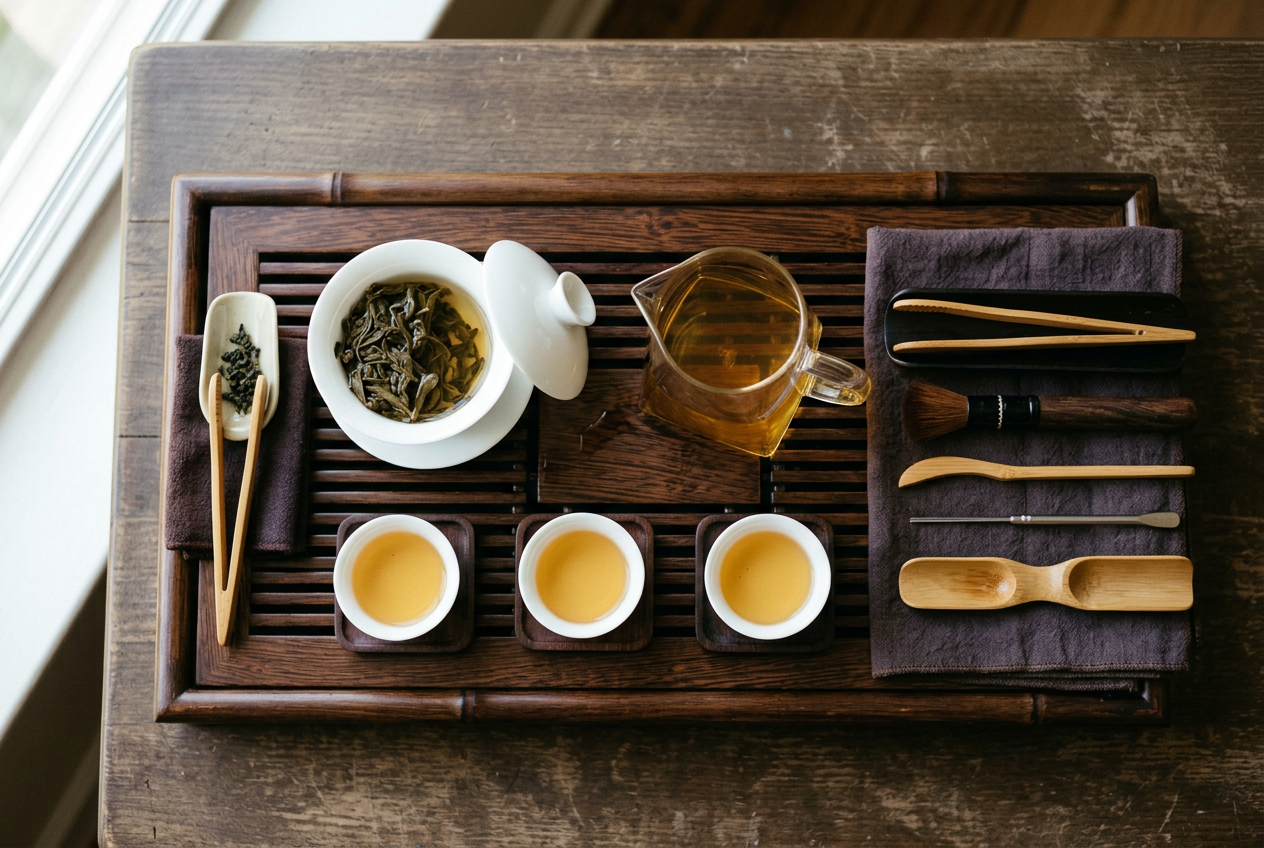
Brew several sessions. Make three to five full sessions of Gongfu Cha with the pot, drinking the tea normally. Use water just off a full boil for oolong and pu-erh. Empty each infusion completely; do not leave liquor standing in the pot. Over these sessions the clay will begin to absorb the tea's oils and character.
Some drinkers save the first rinse and pour it back over the outside of the pot, using a small brush to distribute the tea liquor evenly across the lid, handle, and spout. This external "tea bath" is optional, but it can encourage a more uniform surface color over time.
That is all. No boiling, no tofu, no overnight soaking. The pot is now introduced to its tea.
Daily care after seasoning
Seasoning is not a one-time event. The pot continues to change with every session, and the way you treat it between brews matters more than the first day.
- Rinse immediately after use. While the pot is still warm, rinse it inside and out with hot water. Use a soft brush if any leaf sticks to the spout or lid. Do not use detergent[source:1].
- Empty completely. Pour out all rinse water and leave the lid slightly ajar so air can circulate inside. A closed, damp pot will develop mildew.
- Wipe the body. Use a soft, clean cloth to dry the outside. Over time this gentle wiping helps the surface develop a warm, jade-like luster.
- Let it rest. If you own several pots, rotate them. A day or two of rest between sessions lets the clay dry fully and prevents sour odors.
- Store openly. Keep the pot in a clean, ventilated place away from cooking fumes, perfumes, and strong spices. A closed cabinet that also holds cinnamon or coffee can quietly ruin months of careful seasoning.
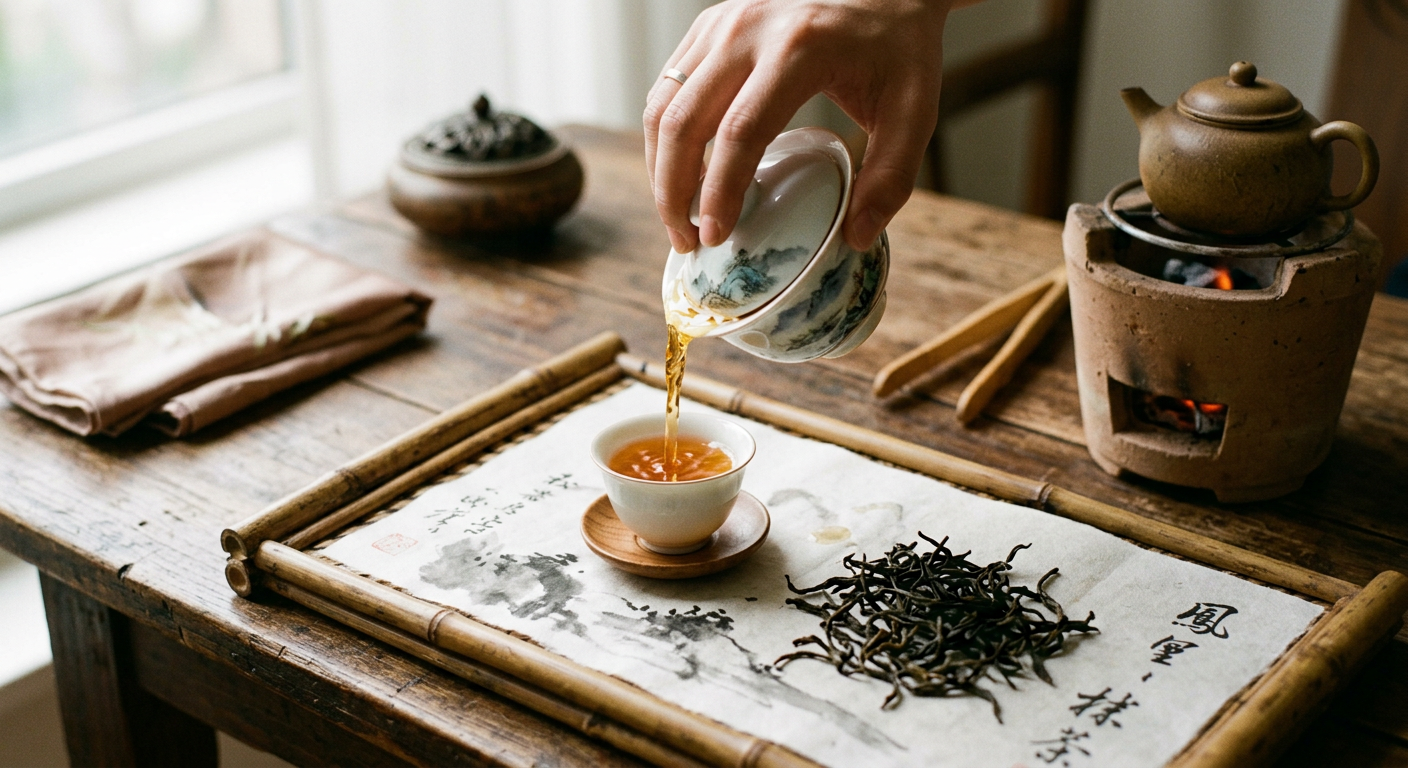
In the Chaozhou Gongfu Cha tradition, the ideal setting is a "clay stove with live fire, sand kettle drawing water"[source:2]. Few of us keep a charcoal stove in the kitchen, but the spirit is the same: slow heat, careful water, and a vessel used often enough to become familiar.
Common mistakes to avoid
Beginners usually damage a pot through kindness, not neglect. Watch for these habits:
- Boiling with food. Tofu, sugarcane, and tea-leaf boils can leave starch, sugar, or plant residues in the pores. Stick to water and the tea itself.
- Detergent or soap. Even a small amount of dish soap can ruin a pot's flavor for many sessions.
- Mixing tea families. One day a smoked Lapsang Souchong, the next a delicate green. The pot will remember both, and neither will taste right. If you want to brew multiple tea families, use a gaiwan or keep separate Yixing pots.
- Leaving tea standing. Overnight liquor can stain unevenly and encourage bacteria. Empty the pot after each session.
- Scrubbing with abrasives. Steel wool, baking soda pastes, and hard brushes can scratch the clay surface. Use only soft cloths and brushes.
A teapot is not finished when it leaves the kiln. It is finished by the hands that use it, one infusion at a time.
The pot becomes yours
Learning how to season a Yixing teapot is really learning how to begin a long relationship. The first sessions are tentative; the clay is still deciding what it will become. But after a few weeks of regular use, the pot starts to respond. It holds heat more evenly, pours more smoothly, and carries the quiet aroma of the tea you have chosen.
You do not need rare clay, a famous maker, or an elaborate ritual. You need good leaves, hot water, and the patience to brew the same tea in the same pot again and again. In return, the pot becomes a record of your tea life—slightly darker inside, softer to the touch, and unmistakably yours.